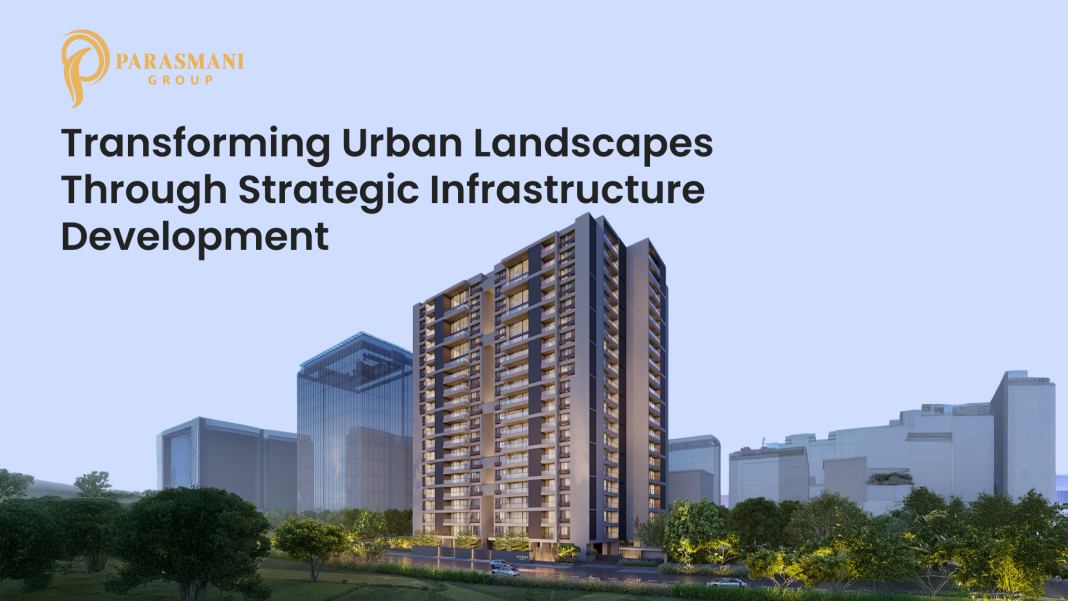

Cities around the world stand at a critical juncture. As populations surge and climate pressures intensify, the way we design, build, and maintain our urban environments will determine the quality of life for billions of people. Strategic infrastructure development has emerged as the cornerstone of sustainable urban transformation, offering a pathway to create more livable, resilient, and economically vibrant cities.
This approach goes beyond simply building roads and bridges. It represents a comprehensive vision for reimagining how urban spaces function and serve their inhabitants.
What is Strategic Infrastructure Development?
At its core, strategic infrastructure development involves the deliberate planning and implementation of physical systems that support a city’s essential functions. This encompasses transportation networks, water and sanitation systems, energy grids, digital connectivity, and public spaces.
However, what distinguishes strategic infrastructure from conventional building projects is the emphasis on long-term planning, integrated design, and alignment with broader urban goals. Rather than reacting to immediate needs with piecemeal solutions, cities adopting this approach consider how each infrastructure investment contributes to a cohesive vision for the future.
Reimagining Transportation: The Foundation of Urban Mobility
The transformation of urban landscapes begins with reimagining transportation infrastructure. Traditional car-centric planning has created sprawling cities plagued by congestion, pollution, and social fragmentation.
Strategic infrastructure development prioritizes multi-modal transportation systems that offer residents diverse options for mobility. This includes:
- Expanding public transit networks
- Creating protected bicycle lanes
- Developing pedestrian-friendly streetscapes
- Integrating emerging technologies like electric vehicle charging stations
Cities such as Copenhagen and Amsterdam have demonstrated how strategic investments in cycling infrastructure can fundamentally reshape urban mobility patterns, reducing carbon emissions while improving public health and quality of life.
Green Infrastructure: Building Resilience Through Nature
As climate change brings more frequent extreme weather events, cities must build resilience into their physical fabric. Strategic infrastructure development incorporates nature-based solutions that manage stormwater, reduce urban heat islands, and enhance biodiversity.
Permeable pavements, bioswales, green roofs, and urban forests serve multiple functions simultaneously, providing environmental benefits while creating more attractive and livable neighborhoods. Singapore’s approach to becoming a “city in a garden” exemplifies how green infrastructure can be woven throughout the urban fabric, transforming concrete jungles into verdant, sustainable environments.
The Digital Backbone: Connectivity as Essential Infrastructure
Digital infrastructure has become equally critical in modern urban landscapes. Strategic infrastructure development recognizes that connectivity is as essential as roads or water pipes. High-speed internet access, smart sensors, and data management systems enable cities to operate more efficiently while providing residents with access to services, education, and economic opportunities.
However, ensuring equitable access remains paramount. Strategic planning must address the digital divide, ensuring that infrastructure investments don’t create new forms of inequality by leaving certain neighborhoods or populations behind.
Water Systems: Managing Scarcity and Abundance
Water infrastructure deserves particular attention as cities face growing challenges from both scarcity and excess. Strategic infrastructure development approaches water holistically, integrating supply, treatment, drainage, and conservation into comprehensive systems.
This might involve capturing rainwater for reuse, creating constructed wetlands for natural filtration, or implementing smart metering to reduce waste. Cities facing water stress, from Cape Town to California’s urban centers, have learned that strategic infrastructure planning can mean the difference between crisis and resilience.
Energy Transformation: Powering Sustainable Cities
Energy infrastructure is undergoing a profound transformation as cities transition away from fossil fuels. Strategic infrastructure development in this sector involves not just building renewable energy generation capacity, but creating distributed, flexible systems that can integrate multiple sources and respond to variable demand.
Microgrids, battery storage, and smart grid technologies allow neighborhoods or even individual buildings to become more self-sufficient while remaining connected to larger networks. This distributed approach enhances resilience while supporting climate goals.
The Human Element: Equity and Social Impact
The social dimensions of strategic infrastructure development cannot be overlooked. Infrastructure shapes how people interact, who has access to opportunities, and which communities thrive or struggle.
Historically, infrastructure projects have sometimes divided communities or displaced vulnerable populations. Modern strategic approaches emphasize inclusive planning processes that engage diverse stakeholders, consider equity implications, and use infrastructure investments to address historical inequities.
This might involve ensuring that transit investments connect low-income neighborhoods to job centers, or that public space improvements benefit longtime residents rather than accelerating gentrification.
Overcoming Financial Challenges
Financing remains one of the greatest challenges in strategic infrastructure development. The scale of investment required often exceeds municipal budgets, requiring innovative funding mechanisms.
Public-private partnerships, green bonds, value capture strategies, and development impact fees represent some of the tools cities use to mobilize resources. However, strategic planning also involves prioritizing investments to maximize impact with limited resources, focusing on projects that serve multiple objectives and generate long-term value.
Technology as an Enabler
Technology plays an increasingly important role in how cities approach infrastructure development:
Building Information Modeling allows planners to simulate how different infrastructure components interact before construction begins.
Geographic Information Systems help identify optimal locations for various facilities.
Sensors and data analytics enable adaptive management, allowing infrastructure to respond in real-time to changing conditions.
These tools support more strategic decision-making by providing better information about costs, benefits, and trade-offs.
Integration: The Key to Maximum Impact
The integration of different infrastructure systems represents perhaps the greatest opportunity for strategic urban transformation. Rather than treating transportation, energy, water, and digital systems as separate domains, forward-thinking cities look for synergies and co-benefits.
A transit corridor might also carry fiber optic cables and include bioswales for stormwater management. A district heating system might use waste heat from data centers. This integrated approach requires breaking down bureaucratic silos and fostering collaboration across agencies and sectors.
Preparing for an Uncertain Climate Future
Climate adaptation has become an urgent driver of strategic infrastructure development. Cities can no longer assume that historical climate patterns will continue. Infrastructure must be designed for a range of future scenarios, incorporating flexibility and redundancy.
This might involve elevating critical facilities in flood-prone areas, designing cooling centers for extreme heat events, or creating evacuation routes for vulnerable neighborhoods. Strategic planning helps cities prepare for uncertain futures without wasteful over-building.
Looking Ahead: Building the Foundation for Tomorrow
As cities continue to grow and evolve, strategic infrastructure development will remain essential for creating urban landscapes that are sustainable, equitable, and resilient.
Success requires:
- Visionary leadership
- Meaningful community engagement
- Innovative financing
- The courage to make long-term investments
The cities that adopt this strategic approach will be better positioned to provide their residents with opportunities, safety, and a high quality of life in the decades ahead.
The transformation of urban landscapes through infrastructure isn’t simply about building things. It’s about building the foundation for thriving communities and a sustainable future. As we face unprecedented urban challenges, strategic infrastructure development offers a roadmap for cities ready to reimagine what’s possible.