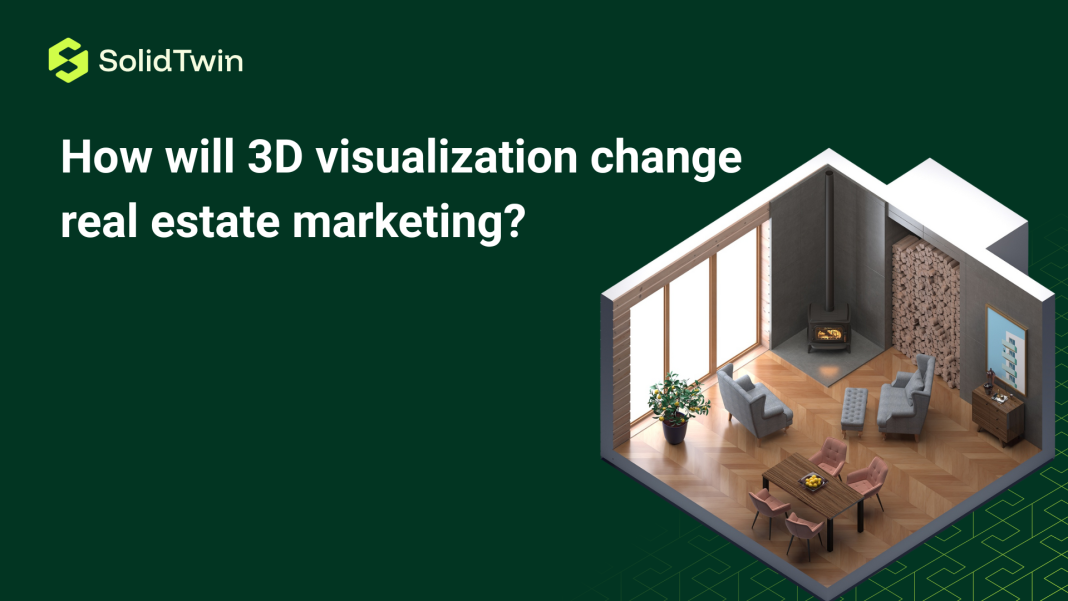

The real estate industry stands at the threshold of a transformative shift in how properties are marketed, viewed, and sold. Traditional methods relying on static photography, floor plans, and in-person showings are rapidly being supplemented and in some cases replaced by immersive 3D visualization technologies. These innovations are fundamentally changing buyer expectations, agent capabilities, and the entire property marketing landscape. As technology continues advancing and adoption accelerates, understanding how 3D visualization will reshape real estate marketing becomes essential for anyone involved in property transactions.
The Evolution from Static Images to Immersive Experiences
For decades, real estate marketing followed a predictable formula: professional photographs, written descriptions, and scheduled property tours. While this approach served the industry adequately, it created significant limitations. Buyers struggled to understand spatial relationships from flat images, wasted time visiting unsuitable properties, and often missed opportunities because they couldn’t physically view homes due to distance or timing constraints.
3D visualization technology eliminates these barriers by creating digital representations so realistic and interactive that potential buyers can explore properties thoroughly without being physically present. A 3D walkthrough allows viewers to move through spaces at their own pace, examine details from multiple angles, and develop a genuine understanding of how rooms connect and flow. This immersive experience provides exponentially more information than traditional photography while being accessible to anyone with an internet connection.
The technology works by capturing comprehensive spatial data through specialized cameras, laser scanning, or photogrammetry techniques. This data is then processed by 3D real estate software that stitches together images, measurements, and textures to create navigable virtual environments. The result is an experience that closely mimics physical presence, giving remote viewers confidence in their understanding of properties they’ve never physically visited.
Expanding Market Reach Beyond Geographic Boundaries
One of the most significant impacts of 3D visualization is the dramatic expansion of potential buyer pools. Previously, serious buyers needed to be within a reasonable traveling distance to view properties effectively. International buyers, relocating professionals, and investors from distant markets faced substantial obstacles in evaluating properties without making expensive trips.
With comprehensive 3D walkthroughs, geographic constraints virtually disappear. A family relocating from across the country can thoroughly explore dozens of homes, narrow their choices to a few finalists, and make informed decisions before ever boarding a plane. International investors can evaluate commercial properties, luxury estates, or development opportunities with the same level of detail available to local buyers.
This geographic expansion creates competitive advantages for agents and sellers who embrace the technology early. Properties marketed with high-quality 3D visualization attract attention from broader audiences, generate more qualified leads, and often sell faster than comparable listings using traditional methods. The technology essentially transforms local property listings into global opportunities accessible to anyone, anywhere, at any time.
Real estate agencies implementing advanced 3D real estate software report significant increases in engagement from out-of-area buyers who previously wouldn’t have considered properties beyond their immediate region. This expanded reach is particularly valuable in markets with limited local buyer pools or in luxury and commercial sectors where buyers frequently conduct national or international searches.
Transforming the Buyer Journey and Decision-Making Process
Traditional property searches required substantial time investment. Buyers scheduled multiple showings, traveled to various locations, and often needed several visits to the same property before making decisions. This process was inefficient for everyone involved. Buyers wasted time on unsuitable properties, sellers endured numerous intrusive showings, and agents spent countless hours coordinating schedules and conducting tours.
3D visualization streamlines this journey dramatically. Buyers conduct initial exploration independently through virtual tours, developinga clear understanding of whether properties meet their needs before requesting in-person visits. This pre-qualification means that physical showings involve only serious, well-informed prospects who have already confirmed the property matches their requirements.
The quality of decision-making improves as well. When buyers can revisit properties virtually multiple times, share tours with family members or advisors, and carefully examine details at their own pace, they make more confident, informed choices. The ability to compare multiple properties side-by-side through saved virtual tours helps buyers articulate preferences more clearly and identify the best matches more efficiently.
For sellers, this transformation means fewer disruptions from showings that don’t result in offers, while simultaneously reaching more genuinely interested buyers. The 3D walkthrough acts as a powerful qualifying tool that ensures the people who request in-person visits are highly motivated and well-informed prospects.
Enabling Pre-Construction Marketing and Visualization
Perhaps nowhere is 3D visualization more revolutionary than in marketing properties that don’t yet exist physically. Developers have traditionally relied on artist renderings, architectural drawings, and model units to sell pre-construction properties. These methods required significant imagination from buyers and often led to disappointment when completed properties didn’t match expectations.
Modern 3D real estate software allows developers to create photorealistic virtual representations of projects still in planning or construction phases. Potential buyers can walk through virtual condominiums, explore commercial spaces, and experience developments months or years before completion. They can visualize different finish options, furniture layouts, and design choices, making personalized decisions about customizations before construction even begins.
This capability accelerates pre-sales significantly. Developers secure commitments and financing earlier in project lifecycles when they can provide compelling, immersive experiences of finished products. Buyers gain confidence by making substantial financial commitments to properties they can thoroughly explore virtually, even when construction hasn’t started.
The technology also facilitates better communication between developers, architects, and buyers. When all parties can visualize proposed spaces in three dimensions, misunderstandings decrease, modifications can be evaluated visually before implementation, and final products more closely match buyer expectations.
Enhancing Marketing Content and Social Engagement
Real estate marketing increasingly happens through digital channels, such as websites, social media, email campaigns, and online listing platforms. 3D visualization content performs exceptionally well in these environments, generating significantly higher engagement than traditional photographs or videos.
A compelling 3D walkthrough shared on social media attracts attention, gets shared more frequently, and keeps viewers engaged longer than static images. This organic reach extends marketing effectiveness without additional advertising costs. Potential buyers discover properties through social sharing, bookmark tours for later review, and forward links to partners or family members involved in purchase decisions.
Listing platforms that support 3D tours report that these listings receive substantially more views, longer engagement times, and higher inquiry rates than comparable properties marketed with photography alone. The interactive nature of virtual tours encourages exploration and creates emotional connections that static content cannot achieve.
Marketing materials incorporating 3D visualization also position agents and agencies as innovative, tech-savvy professionals who provide superior service. This differentiation builds brand value and attracts clients seeking cutting-edge marketing for their properties.
Reducing Costs While Improving Results
Despite requiring initial technology investment, 3D visualization ultimately reduces marketing costs while improving outcomes. Creating comprehensive virtual tours requires one-time capture and processing, after which the content works continuously without additional expense. This contrasts with repeated physical showings that consume agent time, incur travel costs, and require ongoing scheduling coordination.
Properties marketed with high-quality 3D walkthroughs typically sell faster, reducing holding costs, ongoing marketing expenses, and price reductions that often accompany extended listing periods. The time savings for agents allow them to serve more clients simultaneously and focus their in-person efforts on highly qualified prospects most likely to transact.
Advanced 3D real estate software has become increasingly affordable and user-friendly, making the technology accessible to individual agents and smaller agencies rather than just large firms with substantial budgets. Cloud-based platforms eliminate needs for expensive hardware, while intuitive interfaces allow professionals without technical backgrounds to create compelling virtual experiences.
The Future Landscape of Real Estate Marketing
As 3D visualization technology continues evolving, its impact will only intensify. Integration with virtual reality headsets will create even more immersive experiences. Artificial intelligence will personalize tours based on buyer preferences, highlighting features most relevant to individual searchers. Augmented reality will allow potential buyers to visualize furniture placement, design modifications, or renovation possibilities within virtual spaces.
The question for real estate professionals is no longer whether to adopt 3D visualization but how quickly they can implement it effectively. Early adopters gain competitive advantages in attracting listings, reaching buyers, and closing transactions efficiently. Those who delay risk becoming obsolete as buyer expectations shift toward immersive digital experiences as standard rather than premium offerings.
The transformation of real estate marketing through 3D visualization represents more than technological novelty. It’s a fundamental improvement in how properties are presented, evaluated, and sold. By embracing these tools, the industry moves toward more efficient, accessible, and satisfying experiences for everyone involved in property transactions.